
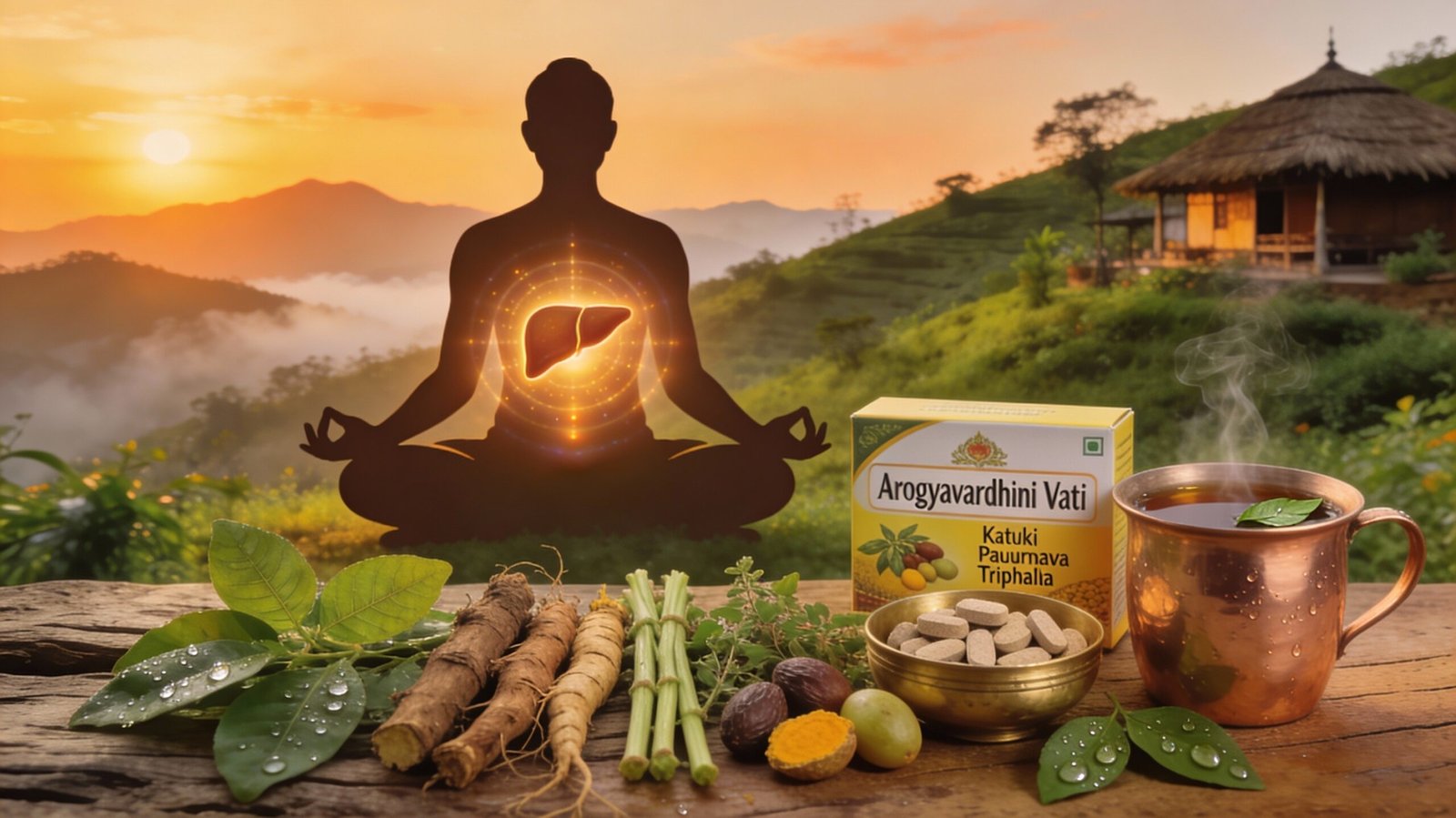

Fatty liver can often be improved and even reversed with the right combination of Ayurvedic herbs, Panchakarma-style detox, and strict diet–lifestyle changes, especially in early grades of the disease. Fatty liver and Ayurveda are interlinked in a way that there is no better management strategy irrespective of modern medicine.
Understanding fatty liver stages

Fatty liver is usually divided into grades 1–3 based on how much of the liver is filled with fat (steatosis), and may progress to non‑alcoholic steatohepatitis (NASH), fibrosis, and finally cirrhosis if not treated. Grade 1 involves mild fat accumulation, grade 2 shows more extensive fat with inflammation, and grade 3 is severe steatosis often associated with early scarring; advanced stages are described as stage 3–4 fibrosis and cirrhosis.
From an Ayurvedic lens, “fatty liver and ayurveda” is understood as a Santarpanottha vikara (disease due to over‑nourishment) involving Kapha–Medo dushti and impaired Agni, overlapping with Medoroga (obesity) and Yakrit Roga (liver disorders) that evolve from Ama accumulation and poor fat metabolism. Thus treatment targets Kapha‑Medo balance, Agni deepana (enhancing digestion), Ama pachana (digesting toxins), and direct yakrit‑prasadana (liver support).
Grade 1 fatty liver: focus on reversal
Early fatty liver (grade 1) is when Ayurvedic treatment has the highest chance of complete reversal, as structural liver damage is minimal and metabolic factors like obesity, insulin resistance, and dyslipidemia dominate. Case reports show complete sonological clearing of grade 1–2 fatty liver with targeted Ayurvedic regimens over weeks to months, along with improvement in liver enzymes and metabolic markers.
Key Ayurvedic formulations (typical adult usage)
Always individualize with a Vaidya; the below are common directions used in clinical practice and in reports on “fatty liver and ayurveda.”
- Arogyavardhini Vati: 250–500 mg, once or twice daily after food with warm water or honey, used as a primary hepatoprotective and Medohara (fat‑reducing) formulation; Kutki (Picrorhiza kurroa) inside it has documented hepatoprotective and NAFLD‑improving effects.
- Katuki churna (Picrorhiza kurroa): 1–2 g twice daily with warm water, especially in Kapha‑Pitta types; acts as a tikta (bitter) cholagogue that enhances bile flow and reduces liver fat in experimental models.
- Bhumyamalaki (Phyllanthus niruri): 10–15 ml fresh juice twice daily or 500 mg capsule twice daily, used as a yakrit‑rasayana and antiviral, helping in liver detox and regeneration.
- Punarnava mandoor / Punarnava preparations: 1 tablet (250–500 mg) twice daily with warm water to reduce edema, support liver microcirculation, and improve metabolic clearance.
- Triphala churna: 3–5 g at bedtime with warm water for gentle bowel cleansing, antioxidant support, and Medohara action.
In early grade 1, many physicians rely primarily on oral medicines, pathya‑ahara (therapeutic diet), and gentle lifestyle corrections without aggressive Panchakarma. If Kapha is prominent, mild Virechana (purgation) with castor oil or medicated ghee may be considered after proper preparation, but only under supervised clinical settings.
Diet and lifestyle for grade 1
For “fatty liver and ayurveda” at grade 1, food is medicine and is often sufficient to reverse disease when followed strictly.
- Emphasize:
- Whole‑grain, low‑glycemic staples: millets (ragi, jowar, bajra), barley, and red/brown rice in modest portions to address insulin resistance.
- Fiber‑rich vegetables: bitter gourd, bottle gourd, ridge gourd, leafy greens, cabbage, and crucifers to aid fat metabolism and Kapha reduction.
- Healthy fats in small amounts: traditional cold‑pressed oils and limited cow ghee to support Agni without overloading fat.
- Spices that improve Agni and Meda: turmeric, dry ginger, black pepper, trikatu in moderate amounts (watch Pitta in GERD).
- Strictly avoid:
Regular brisk walking, yoga asanas (twisting and abdominal poses within comfort), and breath practices that pacify stress also support reversal in grade 1.
Grade 2 fatty liver and ayurveda: deeper detox and structured regimens
Grade 2 fatty liver shows more extensive fat and often associated inflammation and enzyme elevation, making structured Ayurvedic regimens more important. Multiple case studies document grade 2 regressing to grade 0–1 after 3–8 weeks of combined oral drugs, detox procedures, and strict diet.
Panchakarma‑style approach
In “fatty liver and ayurveda” at grade 2, the typical sequence in specialty centers is:
- Purva karma (pre‑procedures): Light Kapha‑Pitta‑pacifying diet with Takra (buttermilk) preparations, warm water, and mild Deepana‑Pachana herbs (e.g., Trikatu, Chitrakadi Vati) for 5–7 days to prepare channels.
- Snehana (oleation) and Swedana (sudation): Internal or external administration of medicated ghee such as Maha‑Tikta Ghrita or Pancha‑Tikta Ghrita Guggulu under supervision, followed by steam therapy to mobilize fat and Ama towards the gut.
- Virechana (therapeutic purgation): Controlled purgation using castor oil, Trivrit Leha, or other classical formulations to remove Pitta‑Kapha from the liver–gut axis, documented to improve clinical and biochemical parameters in chronic liver diseases.
Such complex procedures are typically done in IPD/OPD hospital settings by trained Ayurvedic physicians; they are not home treatments.
Oral formulations used in reports
- Maha‑Tikta Ghrita: 10–20 ml once or twice daily before food with warm water, used for its bitter, anti‑inflammatory, and hepatoprotective actions in NAFLD; often part of Panchakarma protocols.
- Pancha Tikta Ghrita / Pancha Tikta Ghrita Guggulu: 5–10 g twice daily, combining bitter herbs and guggulu to act on Meda, Kapha, and inflammatory processes.
- Arogyavardhini Vati: continued as in grade 1 but often at the higher end of dosage range; clinical studies show improved liver enzymes and ultrasound findings in NAFLD.
- Chitrakadi Vati: 250–500 mg before meals for Deepana‑Pachana in Kapha‑dominant, obese patients without major acidity issues.
- Bhumyamalaki, Punarnava, Katuki, and Triphala: as in grade 1 for ongoing liver support, detox, and bowel regulation.
In documented grade 2 cases, these regimens, combined with strict diet and lifestyle, reduced steatosis grade and normalized ALT/AST over 3–8 weeks.
Diet and restrictions in grade 2
Diet becomes more austere as inflammation increases.
- Strongly recommended:
- Predominantly plant‑based, low‑fat diet with steamed, boiled, or lightly sautéed vegetables and modest whole grains.
- Use of Takra (spiced buttermilk) with roasted cumin, coriander, and a pinch of rock salt as a regular mid‑meal to reduce Kapha and support Agni.
- Bitter and astringent tastes (karela, methi leaves, neem‑based preparations under supervision) to counter Kapha–Medo and support glycemic control.
- Prohibited or strictly limited:
Where diabetes and metabolic syndrome coexist (which is common in NAFLD), combining weight reduction, low‑glycemic diet, and specific Medohara herbs is emphasized in Ayurvedic strategies.
Grade 3 fatty liver, NASH, and cirrhosis: cautious, integrative care
When fatty liver advances to severe steatosis, NASH, fibrosis, or cirrhosis, the goal shifts from simple reversal to preventing further damage, controlling complications, and improving quality of life. Modern guidelines highlight that a subset of NAFLD progresses to stage 3–4 fibrosis and cirrhosis with increased risk of liver‑related mortality, so hepatology supervision becomes essential.
Ayurvedic literature and recent clinical reports describe the use of Nitya Virechana (regular mild purgation), salt and fluid restriction, and complex herbomineral drugs to improve clinical profile and liver function in cirrhosis and advanced liver disease.
Ayurvedic measures in advanced stages
Use only under hospital/consultant supervision, often alongside conventional care:
- Nitya Virechana: Small daily doses of mild laxatives or herbal combinations to maintain regular Pitta evacuation and reduce portal congestion, used in cirrhosis management protocols.
- Herbomineral formulations: Combinations including Tamra Bhasma, Abhrak Bhasma, and Arogyavardhini Vati have shown antioxidant, hepatoprotective, and lipid‑regulating effects in NAFLD studies, but require strict professional oversight due to potency.
- Rasayana and supportive herbs: Bhumyamalaki, Guduchi, Punarnava, and Triphala continue to be used for long‑term liver support, immune modulation, and oxidative stress reduction.
In decompensated cirrhosis or advanced NASH, Ayurveda is best seen as a complementary system to optimize digestion, reduce toxins, and support energy, while conventional hepatology manages variceal bleeding, ascites, and transplantation decisions.
Diet in advanced fatty liver and cirrhosis
Diet becomes highly individualized, but some broad Ayurvedic‑aligned rules are consistent with hepatology advice.
- Recommended:
- Easily digestible, low‑fat, moderate‑protein diet, often with split meals to reduce portal blood flow surges.
- Emphasis on cooked vegetables, soft grains, and careful use of plant protein (lentils well‑cooked and in modest amounts, adjusted for encephalopathy risk).
- Restricted salt intake, especially if ascites or edema is present.
- Restricted:
In these stages, frequent monitoring of liver function, ultrasound, and non‑invasive fibrosis scores (such as FIB‑4 or transient elastography) is crucial, even if following an Ayurvedic plan.
Core herbal tools in “fatty liver and ayurveda”
The table below summarizes major Ayurvedic herbs/formulations repeatedly mentioned for fatty liver, with their typical roles.
Medical disclaimer
This article on treating “fatty liver and ayurveda” is for educational and informational purposes only and does not constitute medical advice, diagnosis, or treatment. It does not replace consultation with a qualified Ayurvedic physician, hepatologist, or other licensed healthcare professional who can evaluate your specific condition, comorbidities (such as diabetes or GERD), test results, and medications. Never start, stop, or change any medicine, herb, or Panchakarma procedure without professional guidance, and seek urgent medical care if you experience jaundice, severe abdominal pain, vomiting of blood, confusion, or swelling of legs/abdomen.
Sources that support the information in this article:
- Non‑alcoholic fatty liver disease: a practical approach to diagnosis and staging – Frontline Gastroenterology (BMJ).
- Non‑invasive diagnosis and staging of non‑alcoholic fatty liver disease – Clinical review article.
- MASLD, NAFLD and fatty liver disease – British Liver Trust patient information.
- Non‑alcoholic fatty liver disease (NAFLD) – NHS overview and staging information.
- Effect of Ayurveda interventions in non‑alcoholic grade II fatty liver – Case report / clinical study.
- Ayurveda management against Non‑Alcoholic Fatty Liver Disease – JAIMS case study.
- Efficacy of herbomineral compounds and pathya (Ayurvedic diet and lifestyle) in NAFLD – Clinical trial.
- Reviving liver health with Ayurveda: a systematic review of NAFLD management – International Journal of Research in Medical Sciences.
- The role of Ayurvedic management in non‑alcoholic fatty liver disease (NAFLD): a case study – MedCrave IJCAM.
- Arogyavardhini Vati – a boon for liver disorders from Ayurveda – Ayushdhara review.
- Arogyavardhini Vati – critical analysis of a miracle drug – IRJAY article.
- Ayurvedic approach to treating fatty liver: medicines and remedies – DeepAyurveda clinical‑style overview.
- 5 Ayurvedic treatments for fatty liver: what works & tips – Zanducare article.
- Ayurvedic approach to fatty liver disease – various case‑based and conceptual discussions in specialised Ayurvedic journals and clinic blogs.
- A case report on management of liver cirrhosis using Ayurveda – recent clinical report on advanced liver disease.


0 Comments