

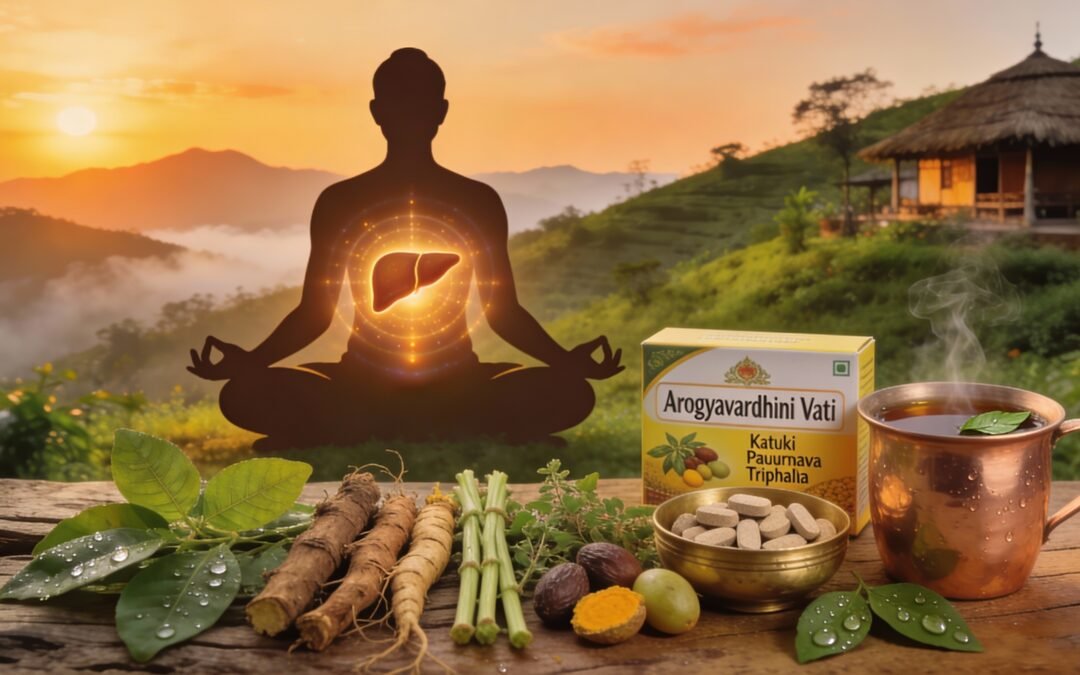
Fatty Liver and Ayurveda – Treatment protocol
Fatty liver is usually divided into grades 1–3 based on how much of the liver is filled with fat (steatosis), and may progress to non‑alcoholic steatohepatitis (NASH), fibrosis, and finally cirrhosis if not treated. Grade 1 involves mild fat accumulation (<33%), grade 2 shows moderate fat (33–66%) with inflammation, and grade 3 is severe (>66%) often with early scarring; advanced stages include stage 3–4 fibrosis and cirrhosis.

Who Am I? A Self Realization Exercise That Can Change Your Life
Reading Time: 9 minutesWhy “Who am I?” Refuses To Go Away Every few years, life throws a question back in your face: “Who am I?” Which means, it is time for self realization. Sometimes it comes quietly, in a late‑night walk or a random song. Sometimes it arrives like...
Weird Habits – Decoding Socks on the Floor & Other Quirks
Ever wondered what your partner’s weirdest habit really says about your future together? From socks mysteriously strewn on the floor to unfinished snacks left in the kitchen, these quirky behaviors are more than just annoyances—they reveal deep insights about compatibility, emotional dynamics, and parenting potential. This article dives into how daily habits shape your relationship psyche and offers a fresh perspective on turning quirks into connection.

The Philosophy of Trust – Why Trust Reduces As We Gain Experience
In this exploration of trust and its evolution through life, I delve into how our experience paradoxically tends to weaken the innocence of trust we once held, revealing its complex role in human relationships, personal growth, and societal cohesion. From the unshakeable trust of infancy to the cautious discernment of adulthood, I examine the philosophical and psychological forces that reshape our faith in others—highlighting how betrayal, aging, and reflection influence our capacity to trust healthily. Anchored in real-life examples and data, this article invites you to reconsider trust not as a static virtue but as a nuanced, adaptable practice essential for genuine happiness and resilient relationships.
Recent Comments