
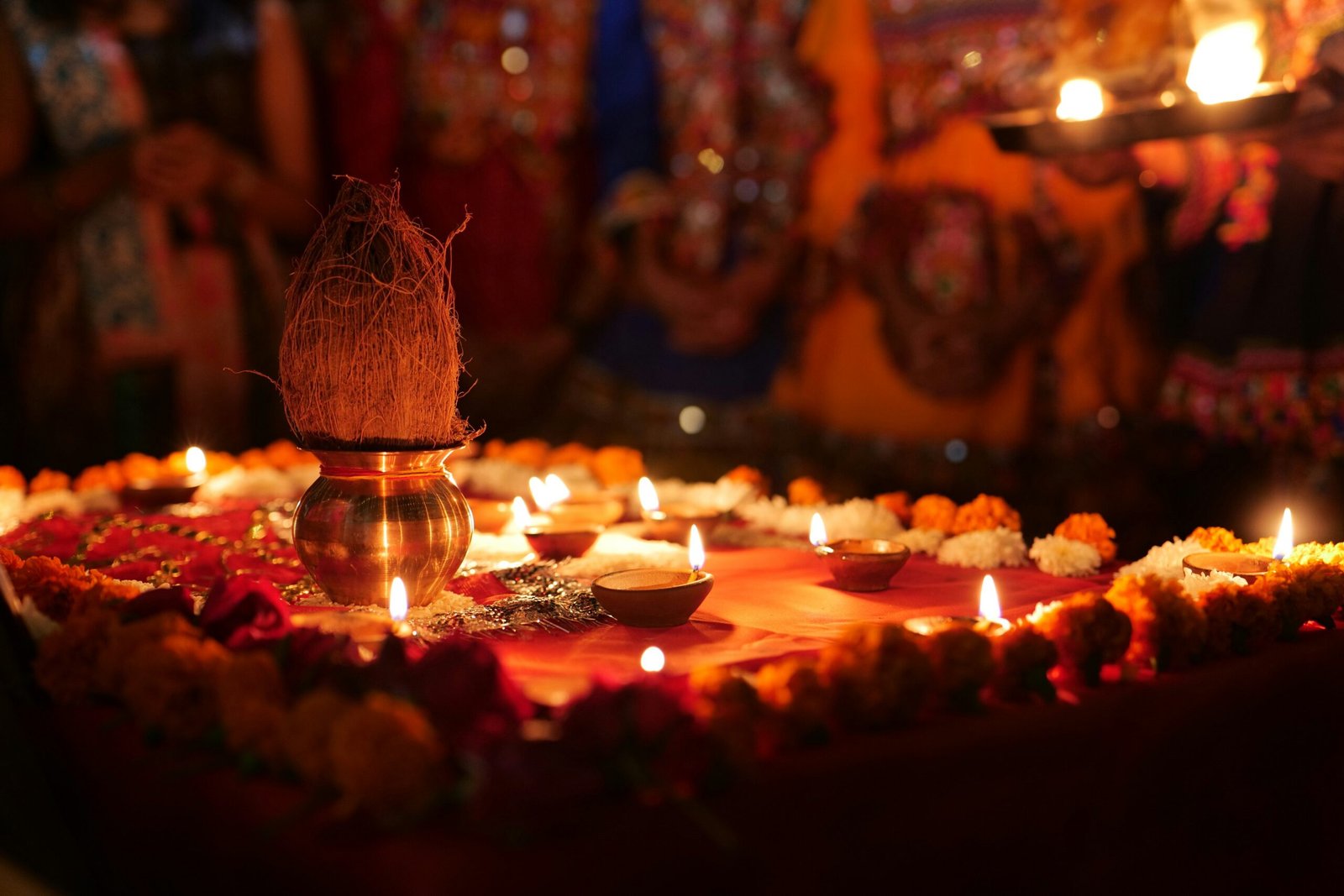

The “dark side of Deepawali” is a harsh, shadowy reality that belies the festival’s dazzling lights and joyous celebration. As the rest of the country revels, thousands—often children—work in hazardous conditions, while the air turns noxious and the gap between the privileged and the marginalized grows wider. This article investigates these hidden truths with stories, incidents, and hard data at every turn.
The Hidden Cost: Child Labor in Fireworks
When I hear the sparkle of fireworks, I can’t help but remember the stories from India’s fireworks belts, where the “dark side of Deepawali” takes its most heart-breaking form. In villages like Sivakasi and the outskirts of Delhi, children as young as eight are forced to work with dangerous chemicals, with little protection or oversight. Many are compelled by family tradition or sheer economic necessity to join the workforce. Often, entire families are involved, working for paltry wages.
A government report indicated that up to 35% of workers in certain fireworks hubs are minors, exposed to chronic illnesses, regular injuries, and psychological abuse. In one incident in Sivakasi, an explosion in 2012 killed several workers—many children—who were handling powder for crackers. Explosions remain routine: unofficial tallies suggest that 50–100 people die every year in fireworks-related accidents. The official numbers, tragically, miss many who die after initial injuries, leaving families in long-term suffering.
Inside the Factories: Stories and Tactics
Most child workers endure “invisible suffering”: long hours, inhaling toxic substances like sulphur and aluminum, denied the education and safety that should be their right. Raids on illicit factories are rare; when they do happen, owners often bribe officials to look the other way and produce fake certificates of age or employment. Sometimes, raw materials are distributed to homes to avoid factory raids altogether, decentralizing both labor and accountability.
Praveen, a middleman interviewed by investigative reporters, revealed that police would ensure their silence for a bribe, while children—some as young as 10—were paid just a few rupees for hundreds of crackers. Over the years, an estimated 25-30 people have died in a single manufacturing village from fireworks accidents.
Pollution: The Air We Breathe After the Fireworks
Diwali’s environmental toll is staggering. Air quality monitoring over the past seven years shows PM2.5 (fine particulate matter) in cities like Delhi, Noida, and Lucknow spikes by up to 875% on Diwali night compared to average days—reaching levels considered hazardous even for healthy adults and life-threatening for the young, elderly, or sick. In 2024, several areas in Delhi recorded PM2.5 readings between 850–900 micrograms per cubic metre—more than 14 times the safe limit of 60 µg/m³.
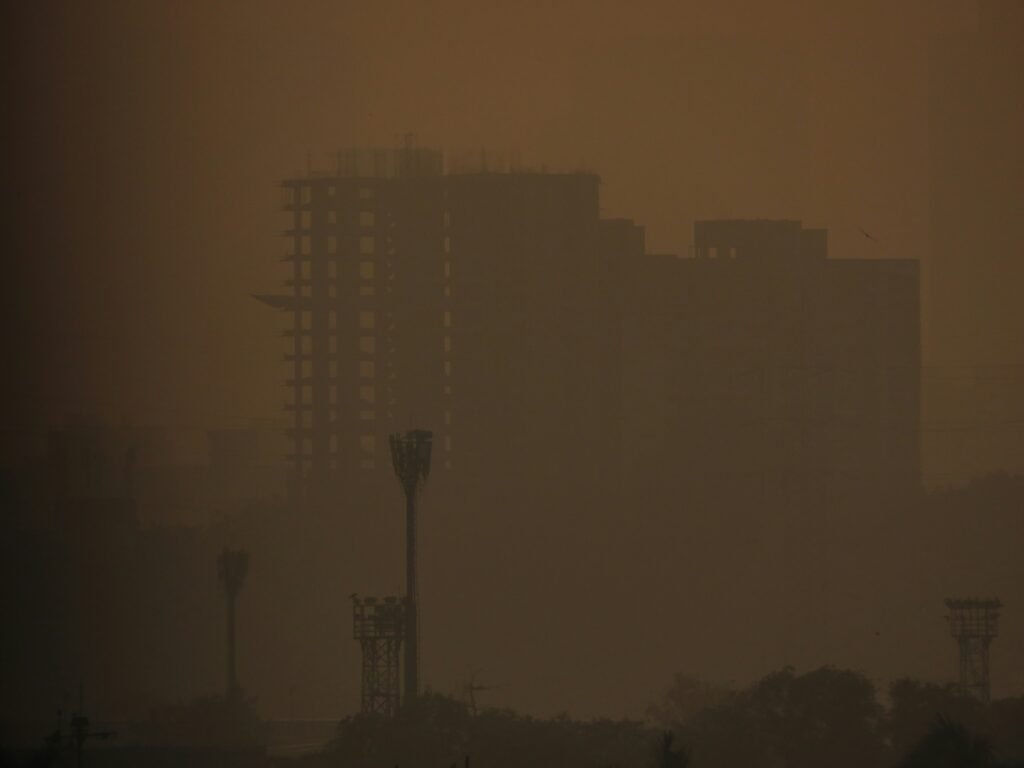
Even so-called “green” crackers, now permitted by India’s top court, were found to emit significant quantities of toxic metals and particulates. Critics and doctors warn that short exposures to these levels can cause respiratory distress, worsen asthma, trigger cardiovascular events, and leave lasting scars on public health. This is in addition to the deepawali shopping traffic snarls that choke up the cities.
Pollution Data: Diwali 2024 (Select Monitoring Stations)
| City/Location | PM2.5 on Diwali | NAAQS Safe Limit | % Above Limit |
|---|---|---|---|
| Delhi – RK Puram | 900 μg/m³ | 60 μg/m³ | 1400% |
| Delhi – Jahangirpuri | 900 μg/m³ | 60 μg/m³ | 1400% |
| Noida – Sector 50 | 700 μg/m³ | 60 μg/m³ | 1166% |
| Kolkata | 400 μg/m³ | 60 μg/m³ | 667% |
| Mumbai | 303 μg/m³ | 60 μg/m³ | 505% |
** PM2.5 = small particulate matter measured in micrograms per cubic meter (μg/m³)
Social Realities: Inequality and Display
There’s a powerful social driver at work too. In many neighborhoods, the scale of Diwali fireworks serves as a status symbol. The “dark side of Deepawali” means that as families move up the social ladder, so does their pyrotechnic display, fueling an unsustainable one-upmanship. With urbanization detaching people from their roots, ostentatious celebration has become a way for some to reclaim lost identity, all while widening the chasm between those who can afford the show and those who pay for it—with their labor, or their health.
The Injured Bystanders
Hospitals report surges in injuries on Deepawali night—most victims are children and bystanders, not even those lighting the crackers. Eye injuries, burns, loss of fingers, and sometimes fatalities are common, further underlining how the “dark side of Deepawali” affects so many uninvolved in the actual act of celebration.
Conclusion
The lights of Deepawali illuminate not just our homes, but also the stark divide in our society. As the festivities continue, it becomes vital to remember the children who make the sparkle possible, the workers who risk death, and the families breathing in toxic air. Only by acknowledging the “dark side of Deepawali” can we hope to one day light up the festival for all—and not at the cost of the vulnerable.

0 Comments