


From the Vedas and Upanishads to the Ramayana and contemporary psychology, loneliness emerges not merely as physical aloneness, but as a disturbance in belonging, meaning and felt connection.
There are forms of silence that replenish us—and forms that quietly diminish us.
A person may spend an afternoon alone and feel restored. Another may sit among colleagues, friends or family and experience an unspoken absence: No one truly sees me. No one knows what I am carrying.
That absence is loneliness.
The World Health Organization describes loneliness as the painful feeling that arises when there is a gap between the connection a person desires and what they actually experience. Social isolation is different: it is the objective condition of having few relationships or interactions. Loneliness is subjective, which is why it can exist in a crowded room, a visible career, a marriage or a digitally connected life.
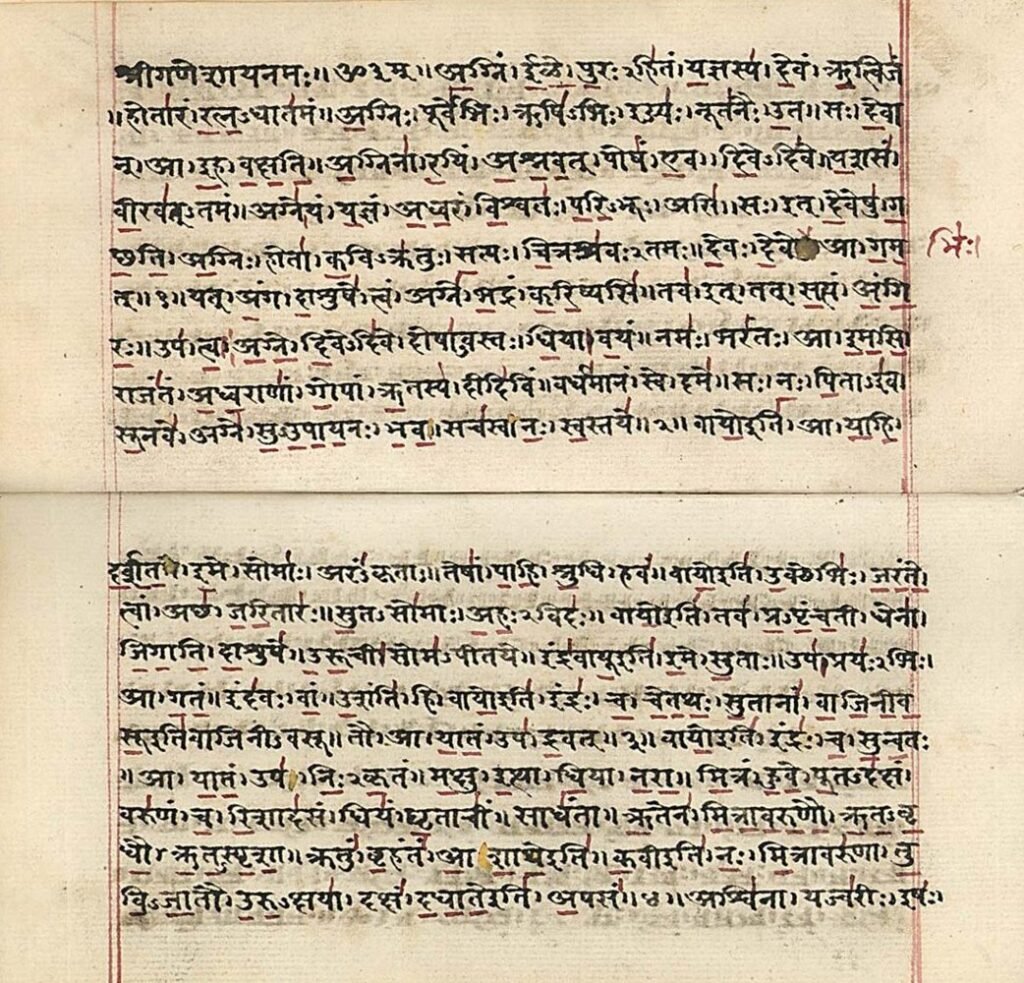
Ancient Indian scriptures did not formulate loneliness as a psychiatric diagnosis. Yet the Vedas, Upanishads, Puranas and epics contain perceptive portrayals of aloneness, rejection, separation, companionship, contemplative solitude and spiritual unity. Placed beside modern psychology—not treated as interchangeable with it—they create a rich conversation about what it means to belong.
Loneliness is not the measure of how many people surround us. It is the measure of whether connection reaches us.
When Aloneness Loses Its Delight
Ancient lens
The Brihadaranyaka Upanishad offers one of the most arresting ancient reflections on being alone. In its creation narrative, the primordial Self is described as finding no delight in aloneness and desiring a second. The passage concerns cosmology and the nature of the Self, not clinical loneliness, but its emotional intuition is unmistakable: existence seeks relationship.
This should not be reduced to the claim that a person is incomplete without a romantic partner. Its deeper theme is relationality—the movement from isolated selfhood towards encounter, recognition and participation.
Modern lens
Psychology defines loneliness not as physical aloneness but as a perceived shortfall between desired and actual connection. A person with a large social network can therefore feel lonely, while someone living alone may not.
Research also distinguishes loneliness from solitude. A 21-day diary study found no universal amount of alone time that optimises wellbeing. More time alone could coincide with greater loneliness and lower daily satisfaction, but it could also bring lower stress and a stronger sense of autonomy—particularly when that solitude was freely chosen.
The meeting point: Ancient narrative recognises the longing for relationship; psychology explains why the quality and chosen nature of aloneness matter more than its outward appearance.
The Wound of Exclusion
Ancient lens
The Bhagavata Purana recounts the story of the young Dhruva, who attempts to sit on his father’s lap and is rejected by his stepmother. His father remains silent. Dhruva leaves the palace crying, breathing heavily with anger, and goes to his mother.
Read as literature rather than diagnosis, the episode shows that exclusion wounds more than access. Dhruva has not merely been denied a seat; he has been denied recognition by those whose acceptance should have been secure. The father’s silence intensifies the injury.
Modern lens
Research on ostracism shows that being ignored or excluded can threaten four basic psychological needs: belonging, self-esteem, control and a sense of meaningful existence. Even brief exclusion can produce sadness and anger; chronic exposure may exhaust coping resources and contribute to helplessness or depression.
This helps explain why loneliness may sound internally like:
- I do not belong here.
- I am not valued.
- Nothing I do will change this.
- My presence makes no difference.
The meeting point: Dhruva’s story dramatises relational injury; psychology identifies the human needs that exclusion can threaten.
Separation and the Fear of Being Forgotten
Epic lens
In the Ramayana, Sita is physically separated from Rama in Lanka. When Hanuman reaches her, she does not ask only whether Rama is alive. She also asks whether separation has caused his affection for her to fade.
This is an emotionally precise moment. Her distress includes uncertainty about whether the bond still exists in the mind and heart of the absent other. Loneliness is often intensified not by distance alone, but by the fear that distance has changed one’s significance.
Hanuman then presents Rama’s ring. Sita becomes glad as though she had reached her husband. The ring cannot end the physical separation, but it provides credible evidence of remembrance, intention and continuing attachment.
Modern lens
A major psychological account of loneliness proposes that it heightens vigilance for social threat. The lonely mind may become especially alert to rejection, disinterest or abandonment. That vigilance can be protective, but it can also encourage defensive interpretations and behaviour, making connection more difficult and reinforcing the original loneliness.
The meeting point: Sita seeks reassurance that the relationship remains alive; psychology shows why uncertainty about acceptance can become especially powerful during loneliness.
Loneliness, Rumination and Sleep
Epic lens
Hanuman describes Rama as immersed in sorrow during his separation from Sita. Rama’s mind repeatedly returns to her; he struggles to sleep and, even when sleep comes, awakens uttering her name. Fruits, flowers and beautiful sights become reminders of the absent beloved.
These verses portray viraha—the anguish of separation—not a clinical case. Yet they depict a recognisable pattern: emotional pain enters attention, memory, sleep and the experience of ordinary surroundings.
Modern lens
Loneliness may increase vulnerability and vigilance for threat, affecting psychological and physiological functioning and diminishing sleep quality. Longitudinal evidence also indicates reciprocal links among loneliness, sleep disturbance, anxiety and depression: loneliness can contribute to disturbed sleep, while poor sleep can make later loneliness more likely through overlapping pathways of distress and rumination.
Psychologically, this can appear as:
- Replaying past interactions
- Searching for evidence of rejection
- Interpreting silence as disinterest
- Struggling to settle at night
- Feeling tired but not restored
- Withdrawing because interaction feels risky or exhausting
The meeting point: The epic gives emotional form to separation occupying the mind; psychology studies the cognitive and sleep-related processes that can sustain distress.
Solitude Is Not Loneliness
Epic lens
The Bhagavad Gita offers an important counterpoint. In 6.10, the yogi is instructed to practise in solitude, with mind and body controlled and free from possessiveness. This is purposeful and disciplined aloneness, directed towards steadiness—not abandonment, exclusion or unwanted disconnection.
The distinction matters. Spiritual traditions do not present every form of being alone as deprivation. Some forms of solitude create the quiet in which attention can settle, values can be examined and inner life can be heard.
Modern lens
Modern research reaches a compatible but more limited conclusion: time alone can benefit wellbeing under certain conditions. In the diary study described earlier, solitude was associated with less stress and greater autonomy, while its costs were reduced when it felt chosen rather than imposed.
Chosen solitude says, I am giving myself space. Loneliness says, The connection I need is unavailable. The first may deepen contact with oneself; the second may erode confidence that meaningful contact with others is possible.
The meeting point: The Gita frames solitude as a condition for disciplined contemplation; psychology finds that autonomy can transform how aloneness is experienced.
The Restorative Power of Community
Vedic and Puranic lens
The Rigveda 10.191 calls people to assemble and speak together, allowing minds, intentions and hearts to move in accord. The hymn is not a therapy protocol, but it places harmony, shared speech and common purpose at the centre of collective life.
The Bhagavata Purana likewise values satsanga—nourishing association. In 3.25.25, meaningful spiritual discussion in the company of devotees is described as satisfying to the ear and heart and as part of a path of inner transformation.
These passages do not suggest that every gathering heals loneliness. They point instead to the qualities that make association meaningful: shared attention, a trustworthy context, common purpose and conversation that reaches both mind and heart.
Modern lens
Recent intervention research supports the importance of quality and fit. A 2026 meta-analysis of 280 studies found overall small-to-moderate reductions in loneliness, with psychological interventions showing a moderate effect. However, confidence in the estimates was low or very low, and researchers could not determine clearly which approach helps which person most.
The lesson is not simply “meet more people.” The more useful question is: What kind of connection is missing?
- Intimate connection: someone with whom vulnerability feels safe
- Relational connection: dependable companionship and mutual care
- Collective connection: belonging to a community, tradition or shared purpose
- Inner connection: the ability to remain present with oneself without collapse or avoidance
The meeting point: Ancient texts value harmonious, meaningful association; psychology suggests that tailored, psychologically informed connection matters more than social volume alone.

From Separation to a Larger Belonging
Upanishadic lens
The Isha Upanishad approaches separation at its deepest philosophical level. Verses 6–7 describe seeing all beings in the Self and the Self in all beings, connecting this perception of unity with freedom from sorrow and delusion.
This does not erase the human need for companionship. Nor should spiritual unity be used to dismiss relational pain with advice such as “You are never alone.” Spiritual ideas can illuminate suffering, but they should not invalidate it.
The Upanishadic insight operates at another level: beneath the changing experience of social inclusion and exclusion lies a vision of life as fundamentally interconnected. For some, that vision can become a source of meaning, compassion and a less isolated sense of identity.
Modern lens
Psychology can study meaning, identity, belonging and the felt quality of connection. It cannot empirically prove the Upanishadic doctrine of the Self. The two perspectives can converse, but one should not be presented as scientific confirmation of the other.
The meeting point: The Upanishad offers a metaphysics of non-separation; psychology examines the lived processes through which people experience connection, meaning and belonging.
What Loneliness Can Do to the Mind
When loneliness becomes persistent, its psychological effects may extend beyond sadness. The evidence points to several interacting processes rather than one inevitable progression.
It can alter social perception
Heightened vigilance may make ambiguous behaviour feel threatening. A delayed reply can feel like rejection; a distracted expression can feel like disapproval. Sometimes rejection is real. At other times, loneliness may influence how uncertain signals are interpreted.
It can weaken self-worth
Exclusion threatens belonging and self-esteem. Over time, a person may stop asking “Why has this relationship become distant?” and begin concluding “There must be something wrong with me.”
It can encourage withdrawal
Loneliness creates a paradox: the person wants connection while becoming increasingly cautious about seeking it. Withdrawal reduces immediate exposure to rejection but also reduces opportunities for corrective, nourishing experiences.
It can disturb mood and rest
Loneliness is associated with anxiety, depressive symptoms and sleep disturbance, although these relationships are complex and often reciprocal. Association does not mean that every lonely person will develop a disorder, nor does it establish one simple cause.
It can narrow meaning
When belonging feels uncertain, a person’s sense of significance may diminish. This is why loneliness can feel existential: it can question not only “Who is with me?” but also “Where do I matter?”
A More Intelligent Response
The ancient and modern perspectives together suggest that loneliness requires discernment, not slogans.
Name the missing connection
Is the need for intimate understanding, everyday companionship, community participation, family repair, shared spiritual life or professional support? “I am lonely” becomes more actionable when it becomes “I am missing a relationship in which I can speak honestly.”
Protect chosen solitude
Do not pathologise every desire to be alone. Deliberate quiet may regulate stress and restore autonomy. The question is whether solitude feels chosen and nourishing—or imposed, avoidant and increasingly painful.
Seek quality before quantity
One attentive conversation can be more regulating than a crowded social calendar. Choose environments in which reciprocity, repeated contact and shared purpose make trust possible.
Examine the protective story
Loneliness may produce predictions such as They will not understand, I will be a burden or There is no point reaching out. Some may reflect genuine history; others may be testable assumptions. Psychological support can help distinguish the two.
Use spiritual practice without spiritual bypassing
Meditation, prayer, contemplative reading, seva and satsanga may support meaning and connection. They should complement—not replace—honest attention to depression, trauma, unsafe relationships or severe functional decline.
Get appropriate support
Contemporary reviews suggest that loneliness interventions can help, while also warning that no single approach works universally. Persistent loneliness accompanied by hopelessness, significant sleep disturbance, depressed mood, anxiety, loss of functioning or thoughts of self-harm warrants support from a qualified mental-health professional.
Healing loneliness is not the same as filling every silence. It is the gradual restoration of relationship—with oneself, with trustworthy others, with community and, for those who seek it, with the sacred.
A Closing Reflection
The ancient texts do not give us a modern diagnostic category called loneliness. They give us something different: scenes of longing, exclusion, separation, reassurance, disciplined solitude, community and unity.
Modern psychology adds another lens. It shows how loneliness may shape attention, self-worth, behaviour, mood and sleep—and why meaningful intervention must address both a person’s actual relationships and the protective patterns that suffering may have created.
Read together, these perspectives offer a humane conclusion: the opposite of loneliness is not constant company. It is felt belonging—the experience of being recognised, remembered and able to participate in a relationship that has meaning.
Educational note: This article is for educational and reflective purposes only. It does not provide a diagnosis or replace individual advice from a qualified mental-health professional. If loneliness is accompanied by thoughts of self-harm or immediate danger, contact local emergency services or an appropriate crisis-support service without delay.
0 Comments